A country shaped by tradition
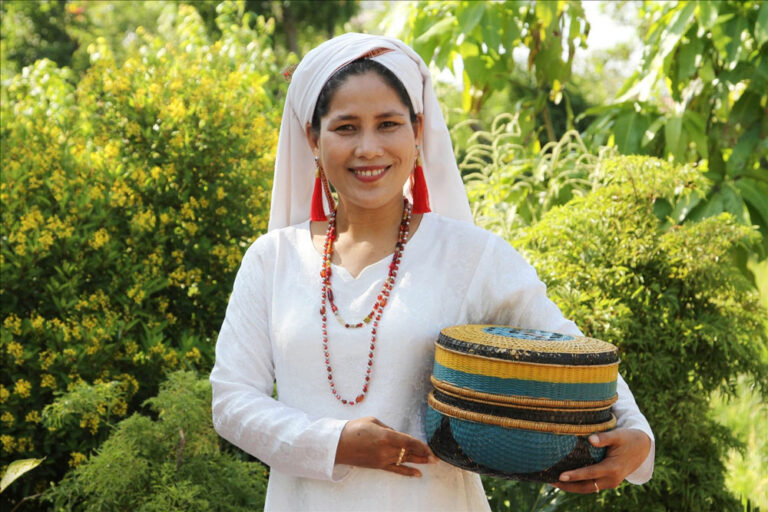
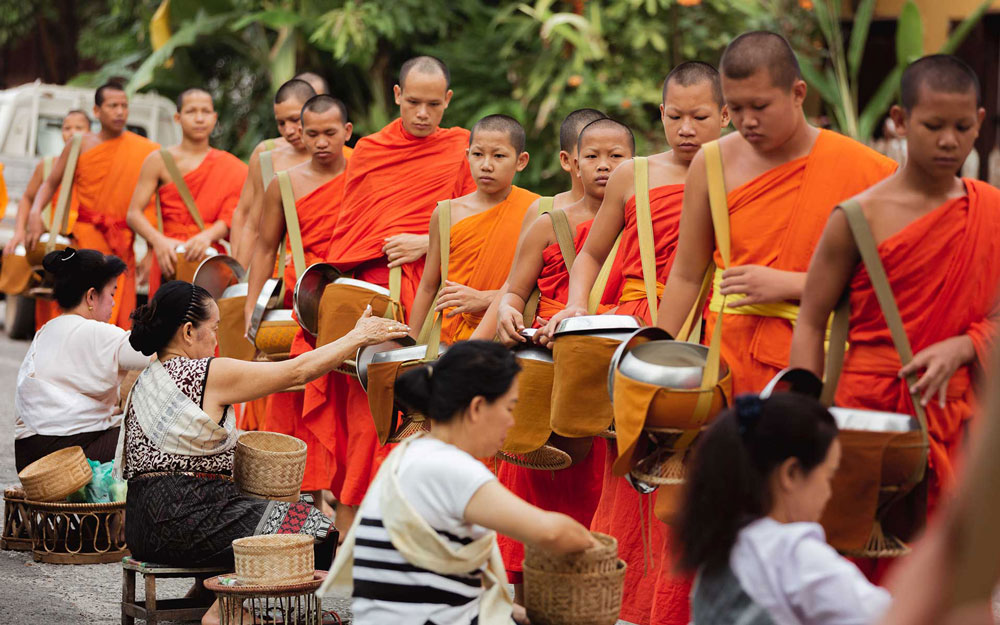
Life in Laos remains deeply connected to its cultural roots. Theravada Buddhism influences daily life across the country, from the morning alms giving ceremonies to the hundreds of temples that sit at the heart of local communities.
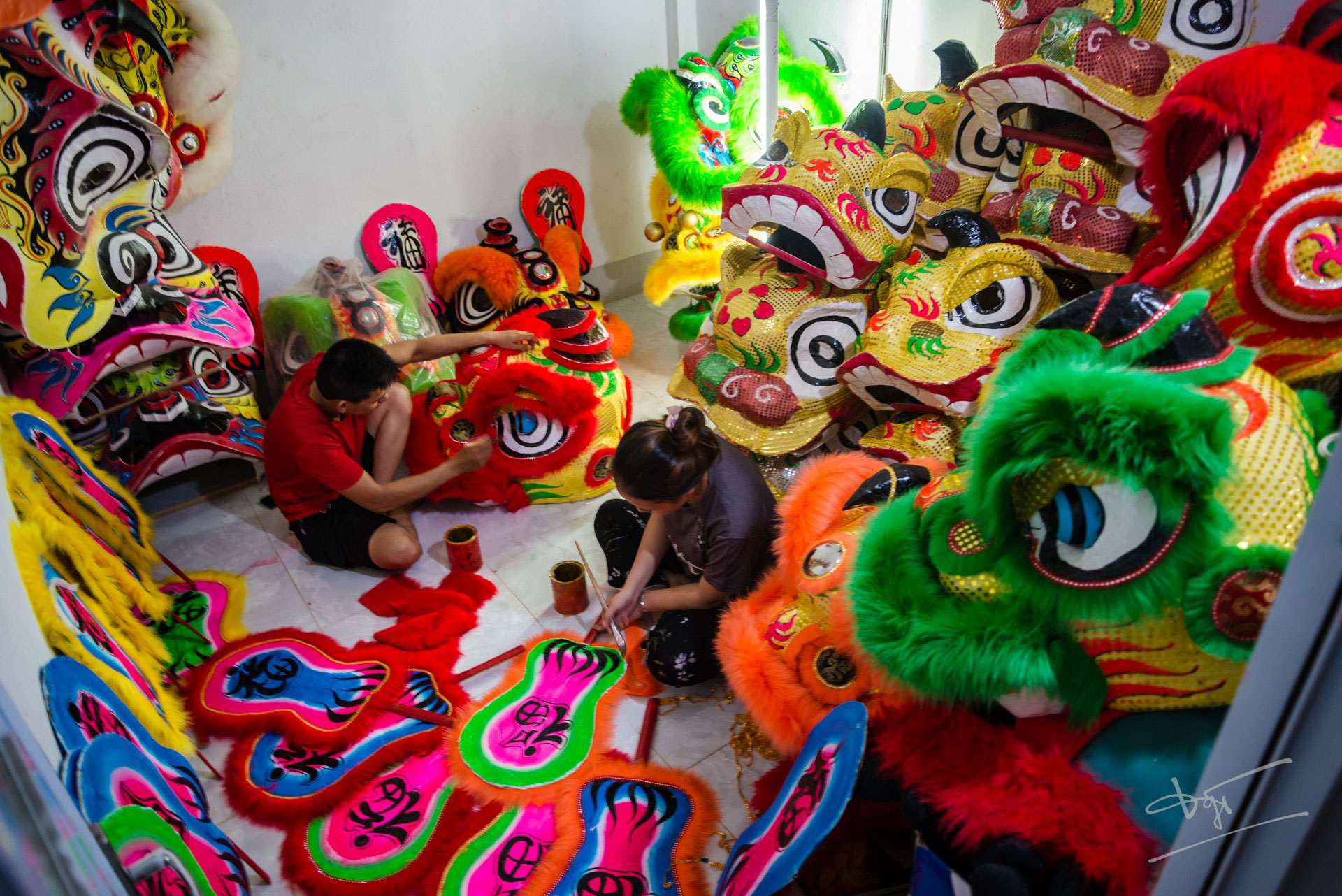
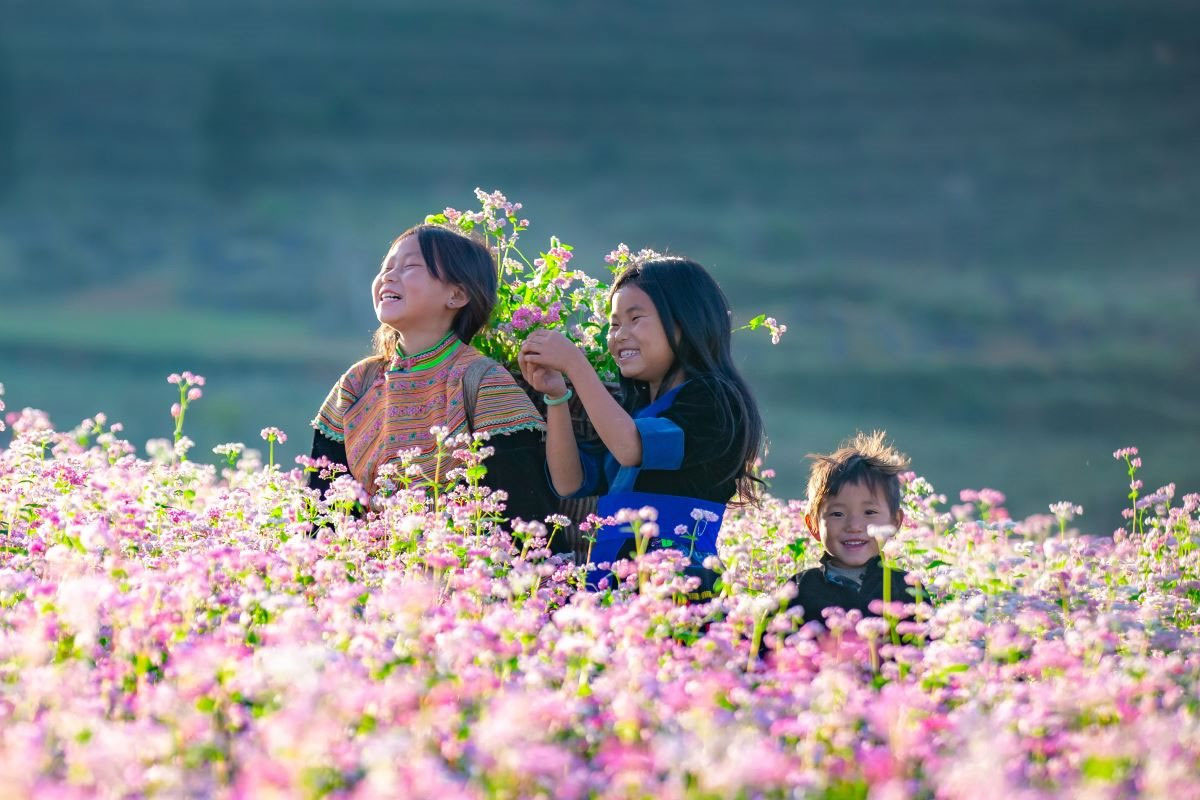
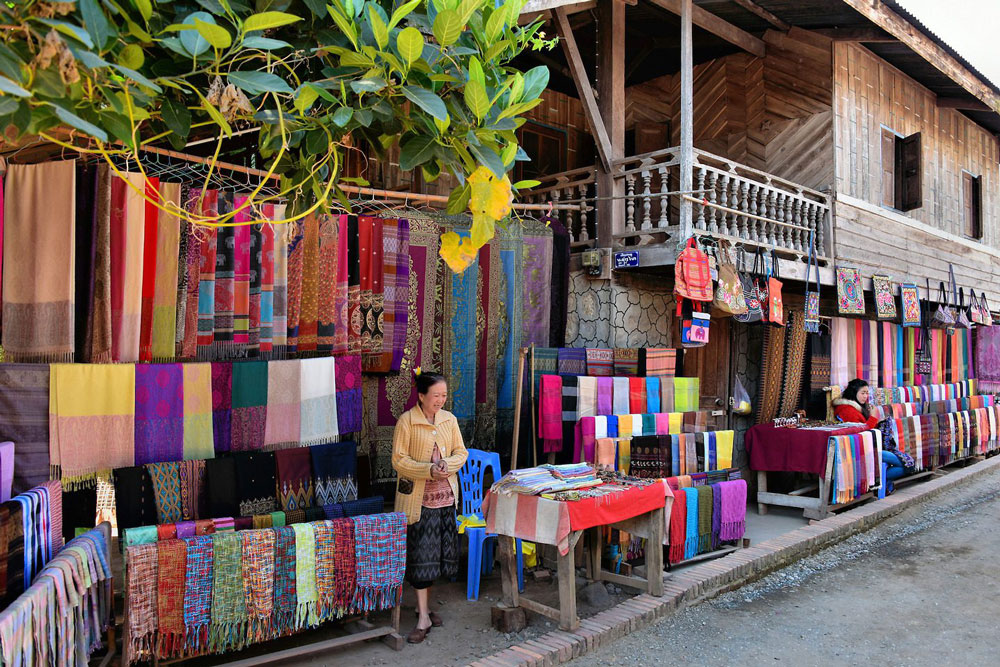
Traditional crafts continue to thrive in many villages, particularly weaving, silverwork, and bamboo craftsmanship passed down through generations. Across the country, more than 50 ethnic groups contribute to a rich cultural mosaic, each with their own languages, customs, festivals, and ways of life
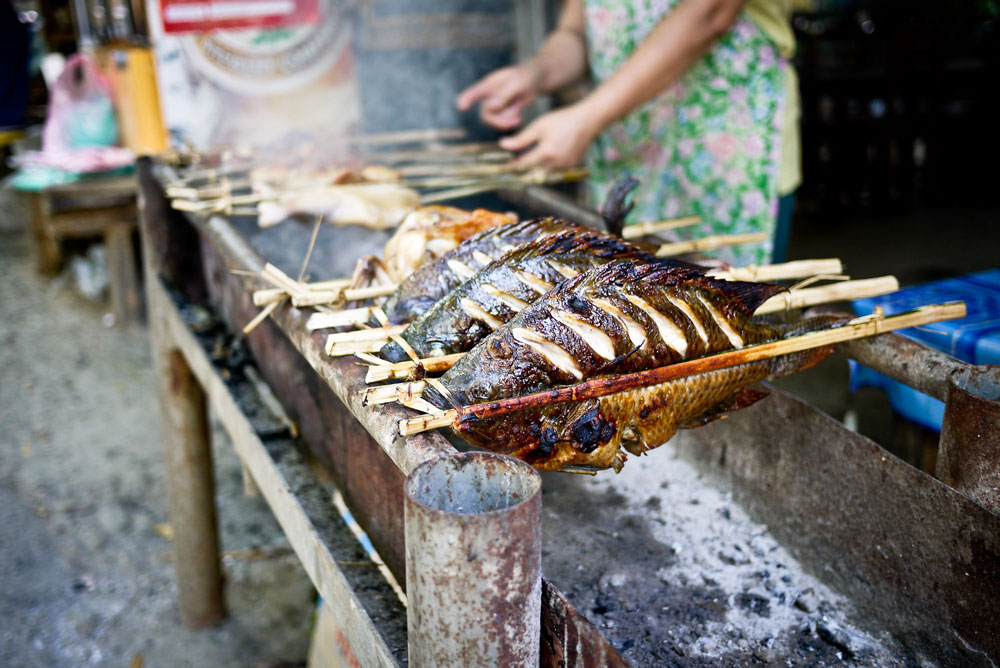
Food is equally tied to local identity. Sticky rice accompanies almost every meal, often served with grilled river fish, fresh herbs, spicy dipping sauces, and ingredients gathered from nearby forests and farms. Traveling through Laos often means discovering regional dishes that rarely leave their home province.
Beyond the highlights
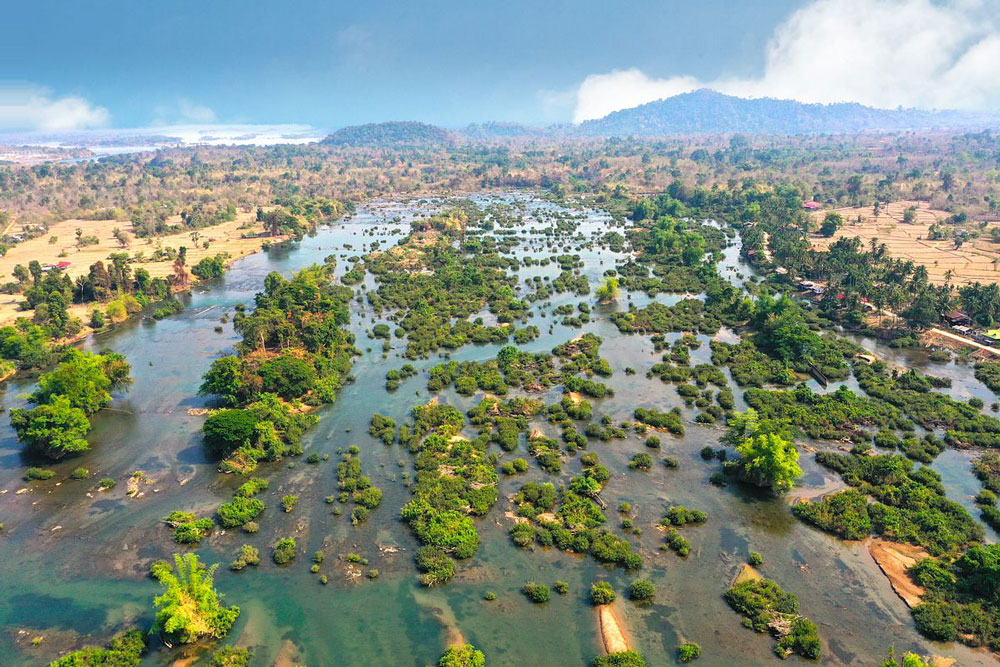
Most visitors know Luang Prabang for its golden temples, French colonial architecture, Kuang Si Waterfalls, and Mekong River sunsets. Vang Vieng has become increasingly popular for its dramatic limestone mountains, while the 4000 Islands region offers a peaceful escape near the Cambodian border.
Yet some of Laos’ most memorable experiences lie further off the beaten path.
In the north, Nong Khiaw and Muang Ngoi reveal spectacular mountain scenery and riverside communities accessible only by boat or winding mountain roads. The mysterious Plain of Jars continues to puzzle archaeologists and visitors alike. Further south, the Bolaven Plateau offers coffee plantations, hidden waterfalls, and fertile volcanic landscapes rarely included in standard itineraries.
These regions offer something increasingly difficult to find in Asia today: the feeling of exploring rather than simply visiting.
Why Laos rewards those who stay longer
Laos is not a country best experienced through a checklist of attractions. Distances can be long, roads can be winding, and plans sometimes move at a different pace than expected. Yet this is often where the magic happens.
A conversation in a village market. A sunset boat ride along the Mekong. A family weaving workshop in a mountain community. A hidden waterfall reached after a quiet walk through the forest. These are the moments travelers remember long after returning home.
For those looking to discover a more authentic side of Southeast Asia, Laos deserves at least 7 to 14 days. With time, local insight, and a willingness to venture beyond the well known route, the country reveals a depth that continues to surprise even experienced travelers.
Our highly recommended stays in Laos
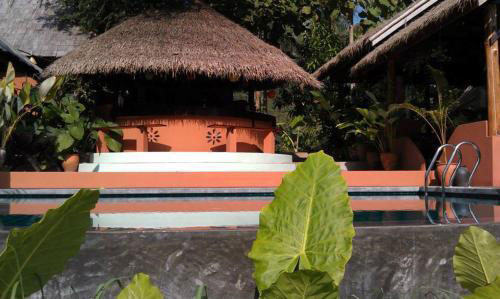
One of the pleasant surprises of traveling through Laos is the quality and character of its accommodation. Rather than large international hotel chains, many of our favorite properties are boutique retreats that reflect the culture, history, and landscapes of their surroundings.
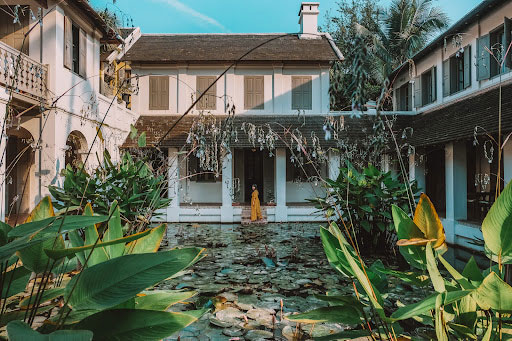
In Luang Prabang, we love Satri House, a beautifully restored heritage residence once connected to the Lao royal family, offering timeless charm and one of the most atmospheric stays in the country.
In Vang Vieng, Tmark Resort Vang Vieng combines dramatic mountain views with contemporary comfort, making it an excellent base for exploring the region.
For travelers venturing into Northern Laos, Mandala Ou Resort offers a peaceful riverside setting surrounded by some of the country’s most spectacular scenery.
In Southern Laos, Sinouk Coffee Resort provides a unique stay amid working coffee plantations, allowing visitors to experience one of Laos’ most important agricultural regions firsthand.
Near the 4000 Islands and the ancient Khmer ruins of Wat Phou, The River Resort remains one of our favorite places to slow down and enjoy life along the Mekong.
Together, these properties add another dimension to a journey through Laos, proving that the places you stay can be just as memorable as the destinations themselves.