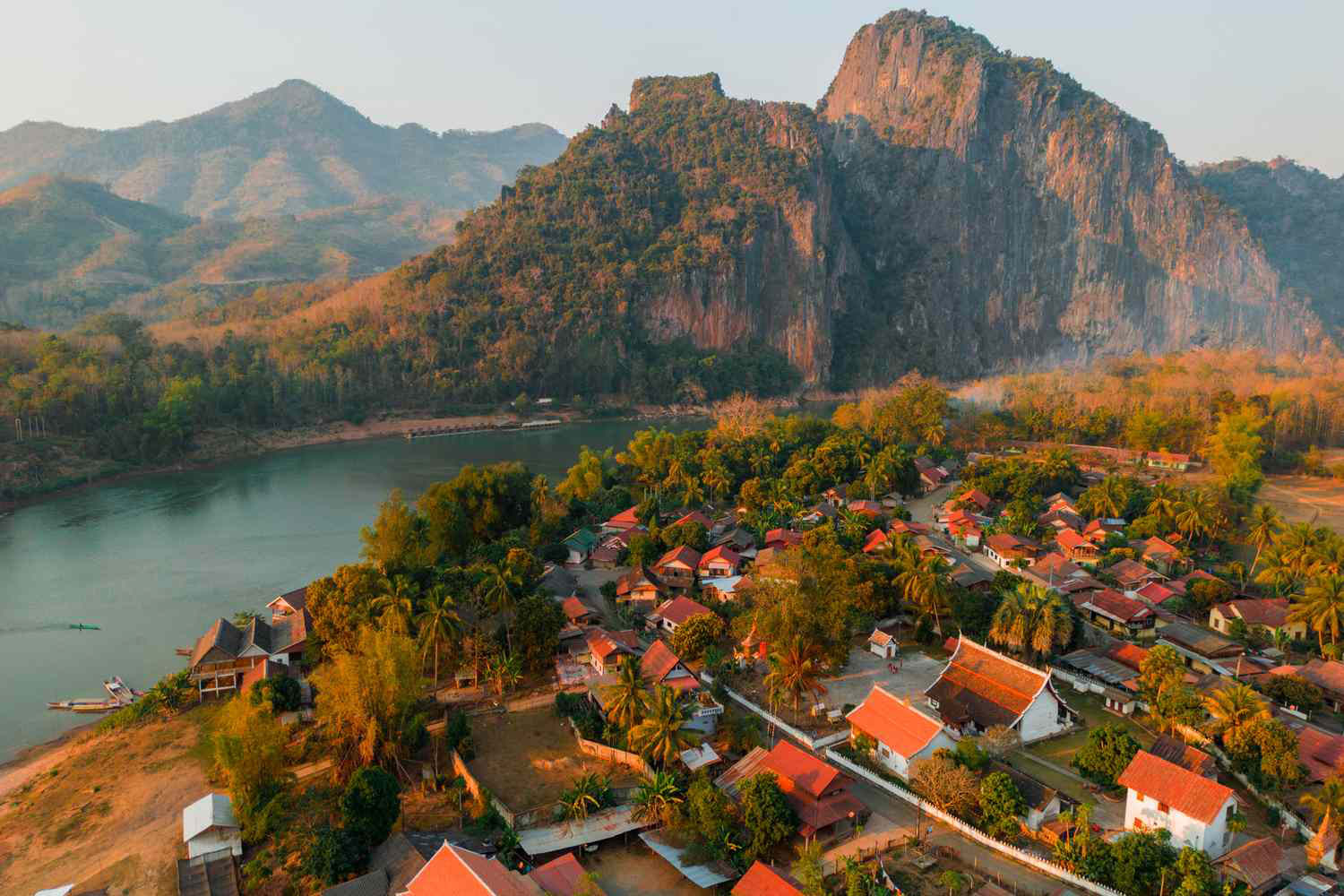
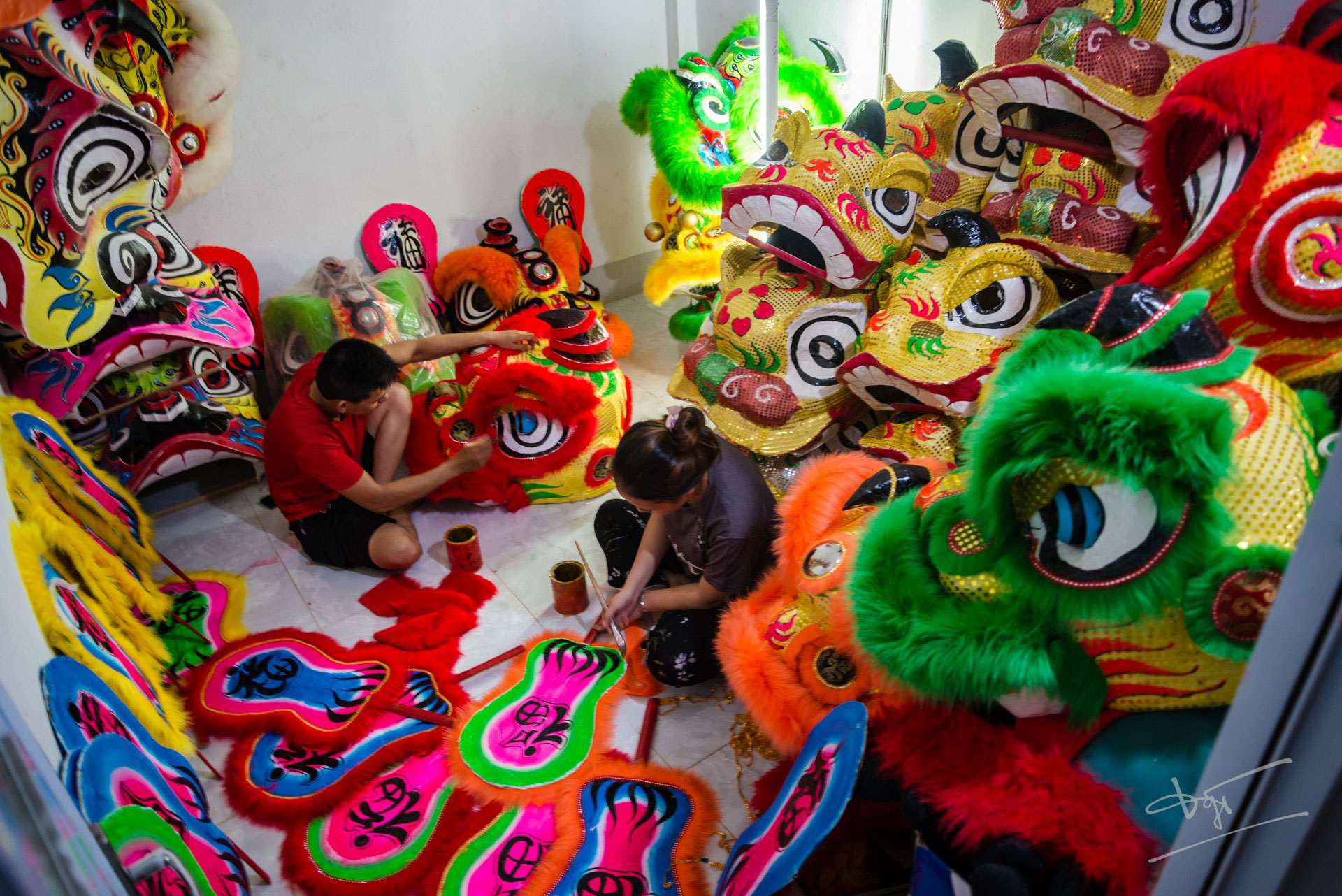
Across Southeast Asia, this approach to travel is expressed through small scale hotels, thoughtful design, and journeys where the pace matters just as much as the destination.
Namia Hoi An, Vietnam
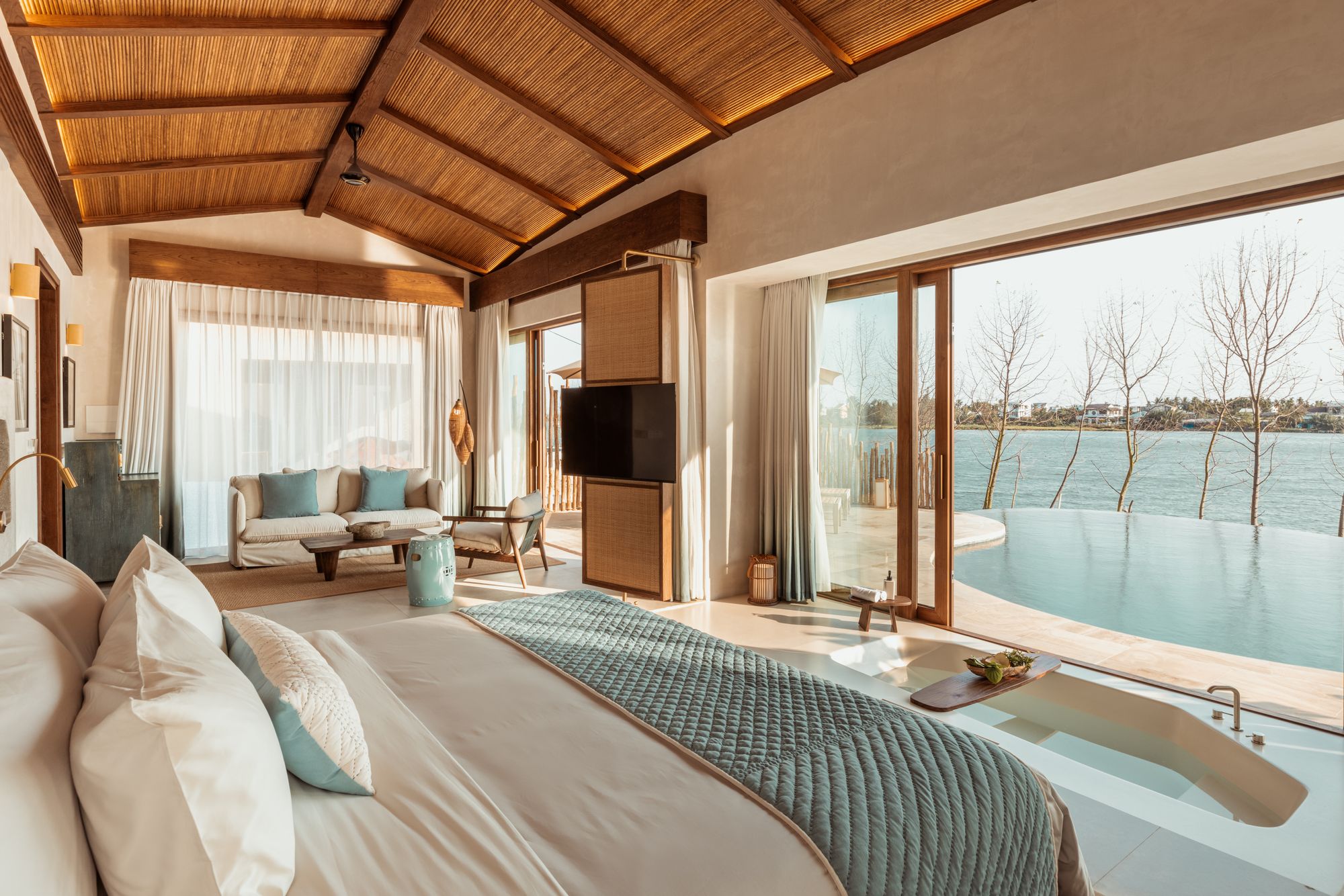
Tucked along the river just outside the ancient town, Namia Hoi An offers a sense of calm that feels immediately grounding. The architecture blends contemporary lines with natural materials, creating spaces that feel open, warm, and unforced.
What makes Namia a quiet luxury retreat is its scale and intention. With a limited number of villas, generous outdoor space, and a focus on privacy, guests are never rushed or crowded. Experiences revolve around gentle rhythms, river views, slow mornings, and wellness inspired by local traditions. Luxury here is found in silence, light, and the freedom to simply be.
The Nam Khan, Luang Prabang, Laos
Along the banks of the Nam Khan River, this intimate retreat blends seamlessly into its natural surroundings. Wooden structures, soft lighting, and riverside paths create an atmosphere that feels organic and unpolished in the best possible way.
The Nam Khan embodies quiet luxury through authenticity. There is no sense of excess here. Instead, there is thoughtful design, meaningful community engagement, and experiences rooted in local life. From early morning walks to riverside dining, everything feels intentional, gentle, and quietly enriching.
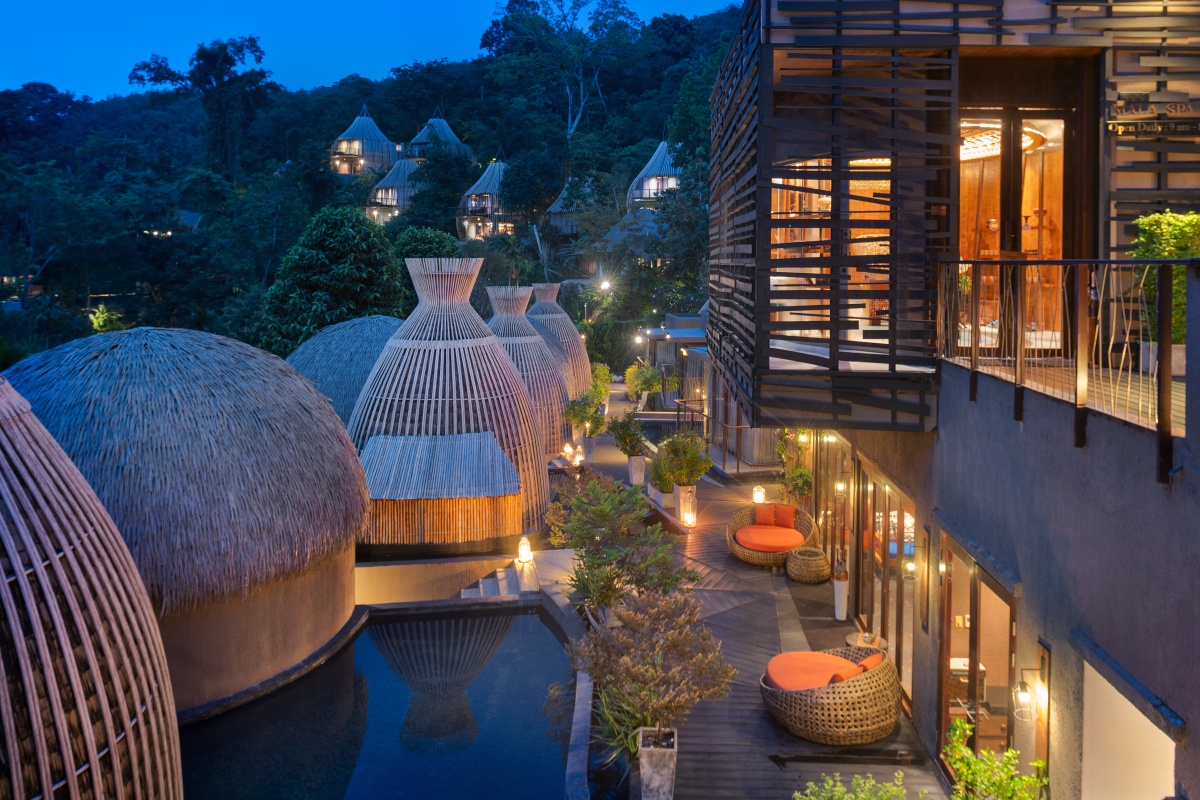
Keemala Phuket, Thailand
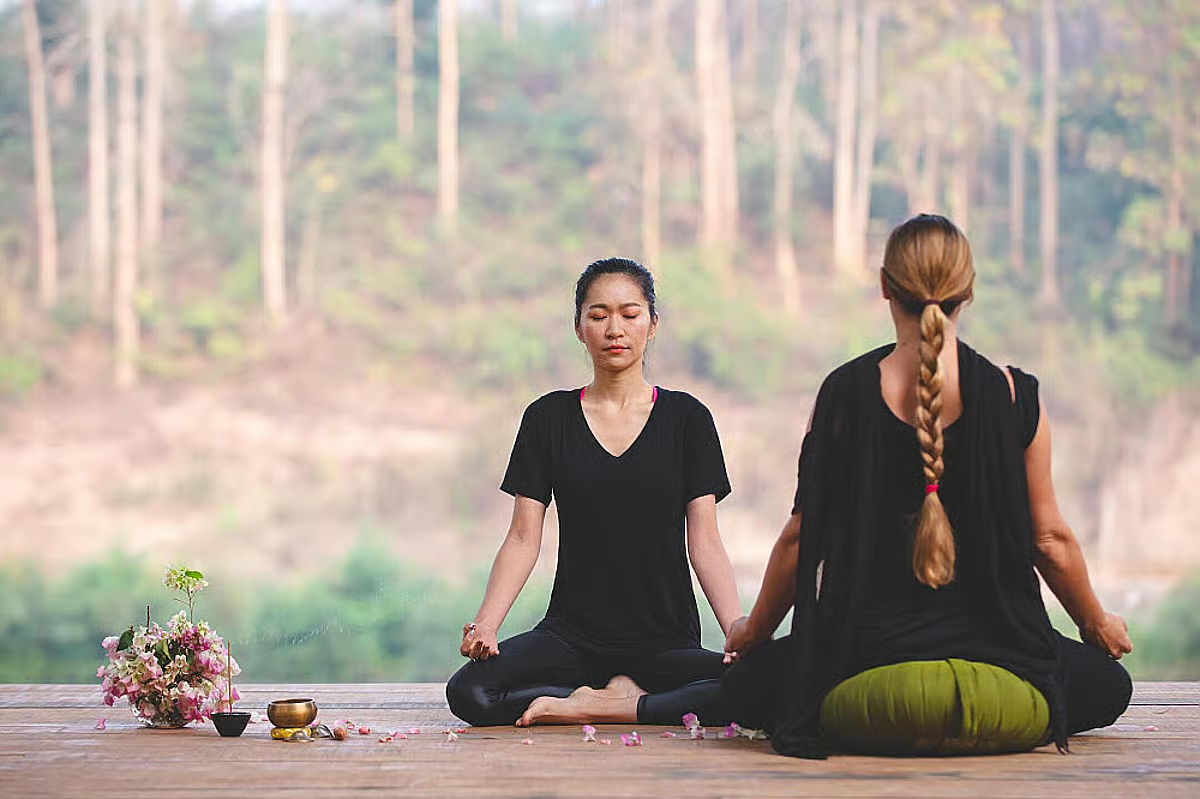
Perched above the forest with sweeping views over the Andaman Sea, Keemala is a sanctuary designed for reflection and privacy. Each villa is hidden among the trees, offering complete seclusion and a strong connection to nature.
Keemala represents quiet luxury through wellness, storytelling, and space. The architecture is imaginative yet understated. Days unfold slowly with private pools, holistic therapies, and uninterrupted time. It is a place where luxury is measured not in extravagance, but in how deeply rested you feel when you leave.
137 Pillars House Chiang Mai, Thailand
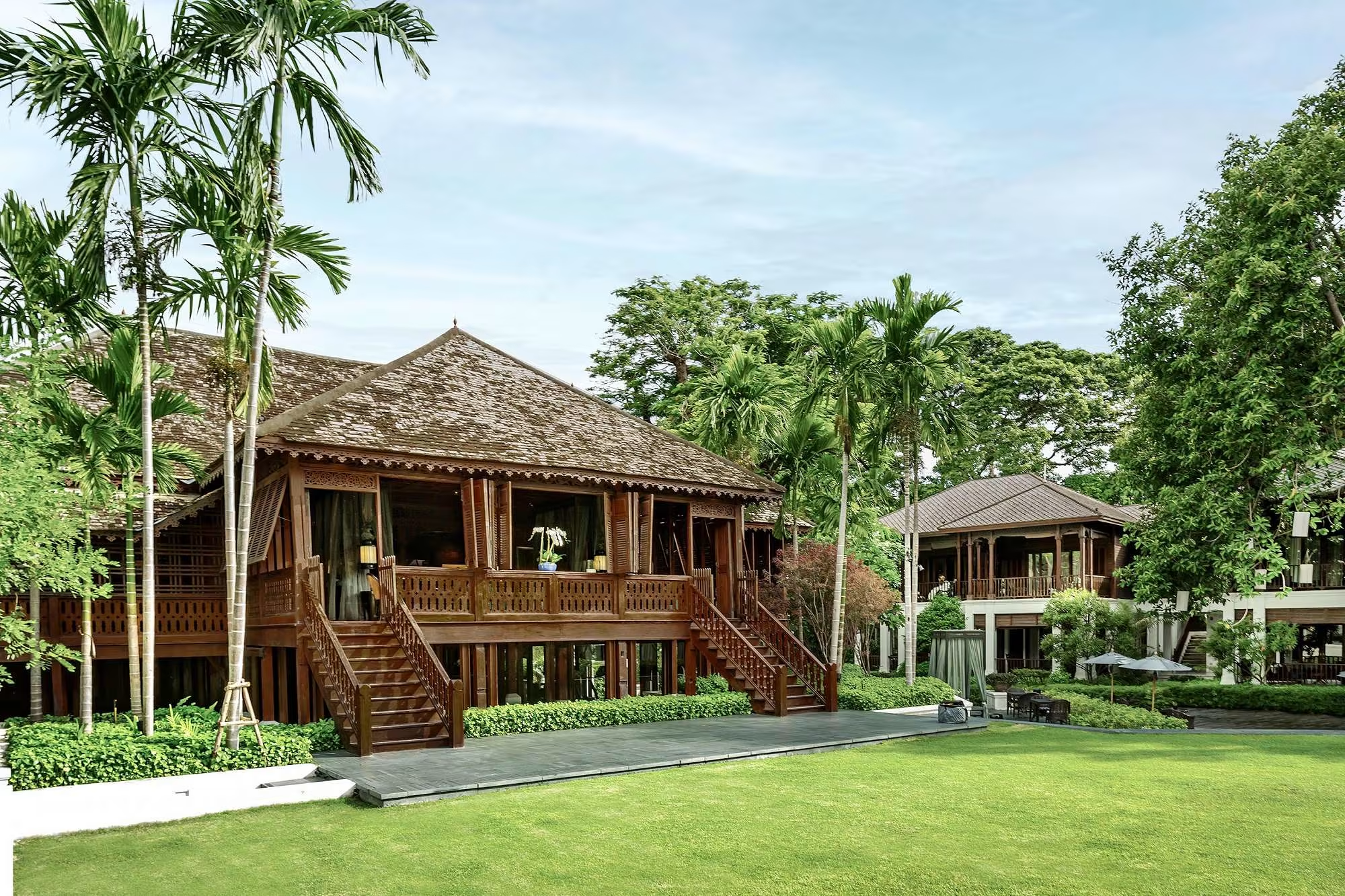
Set within a leafy heritage compound, 137 Pillars House feels like a private residence rather than a hotel. Its colonial architecture, expansive gardens, and spacious suites create a strong sense of place and serenity.
This is quiet luxury through heritage and space. Rooms are large, airy, and designed for comfort rather than display. Service is intuitive and discreet. The property allows guests to enjoy Chiang Mai at their own pace, retreating into calm after days spent exploring temples, markets, and the surrounding countryside.
A Quiet Luxury Journey on Rails
Quiet luxury is not limited to hotels. It can also be found in the way we move through a destination.
The Blue Jasmine Train offers a refined rail journey across Thailand that transforms travel time into an experience in itself. With beautifully restored carriages, limited guest numbers, and thoughtfully curated stops, the journey encourages a slower and more immersive way of seeing the country.
What defines this experience as quiet luxury is its intimacy and rhythm. There is no rush, no crowds, and no spectacle for the sake of it. Guests enjoy scenic routes, cultural encounters, elegant dining, and moments of stillness as landscapes unfold outside the window. It is travel that feels unhurried, elegant, and deeply considered.

A Different Way to Travel in 2026
Quiet luxury travel invites travelers to rethink what luxury truly means. It is an approach that values atmosphere over abundance, connection over consumption, and quality over scale.
As we move into 2026, this style of travel offers something increasingly rare. Time. Space. And experiences that stay with you long after the journey ends.
At Justravel Asia, we believe quiet luxury is not a trend. It is a mindset. And for many travelers, it is where the most meaningful journeys begin.