“Thailand, a land of timeless enchantment,
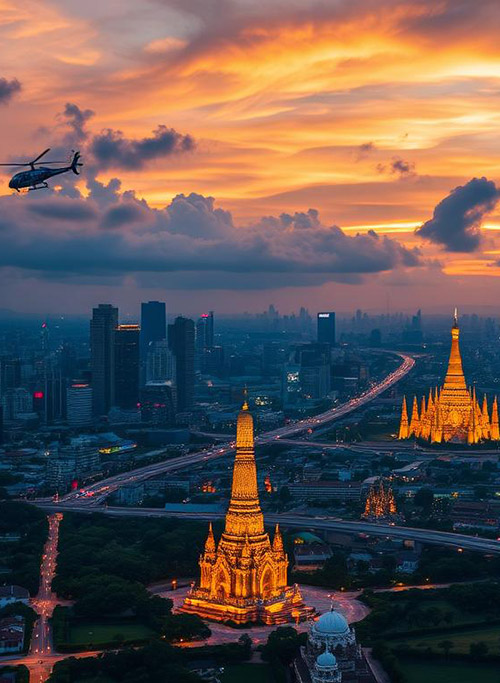
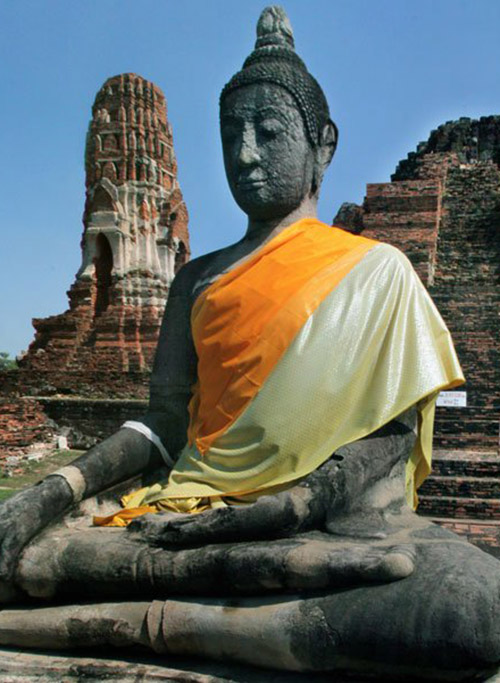
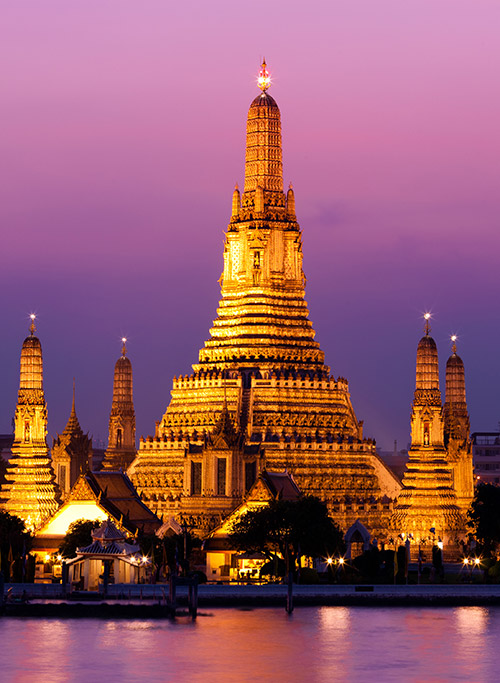
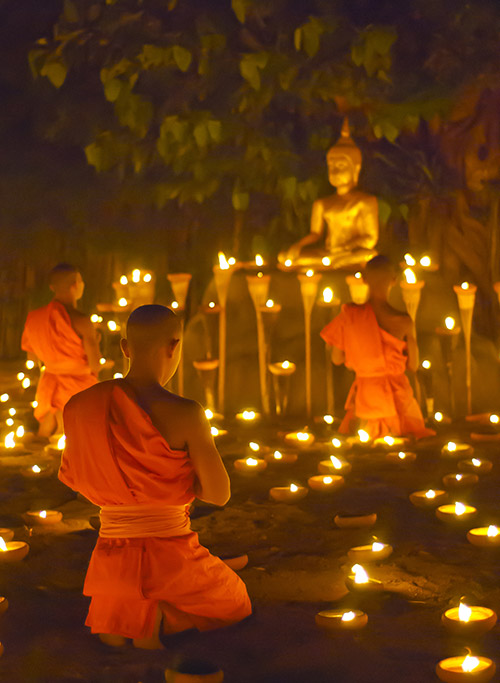
invites you into a world where ancient traditions and vibrant modern life exist in perfect harmony. From gilded temples and serene mountain villages to lively street markets and dreamy tropical islands, Thailand offers a rich tapestry of experiences. Whether exploring the cultural depths of Chiang Mai, the energetic rhythm of Bangkok, or the crystal-clear waters of the south, travellers are welcomed with warmth and wonder. It’s a country of deep spirituality, colourful diversity, and natural beauty — a destination that captivates the senses and the soul.
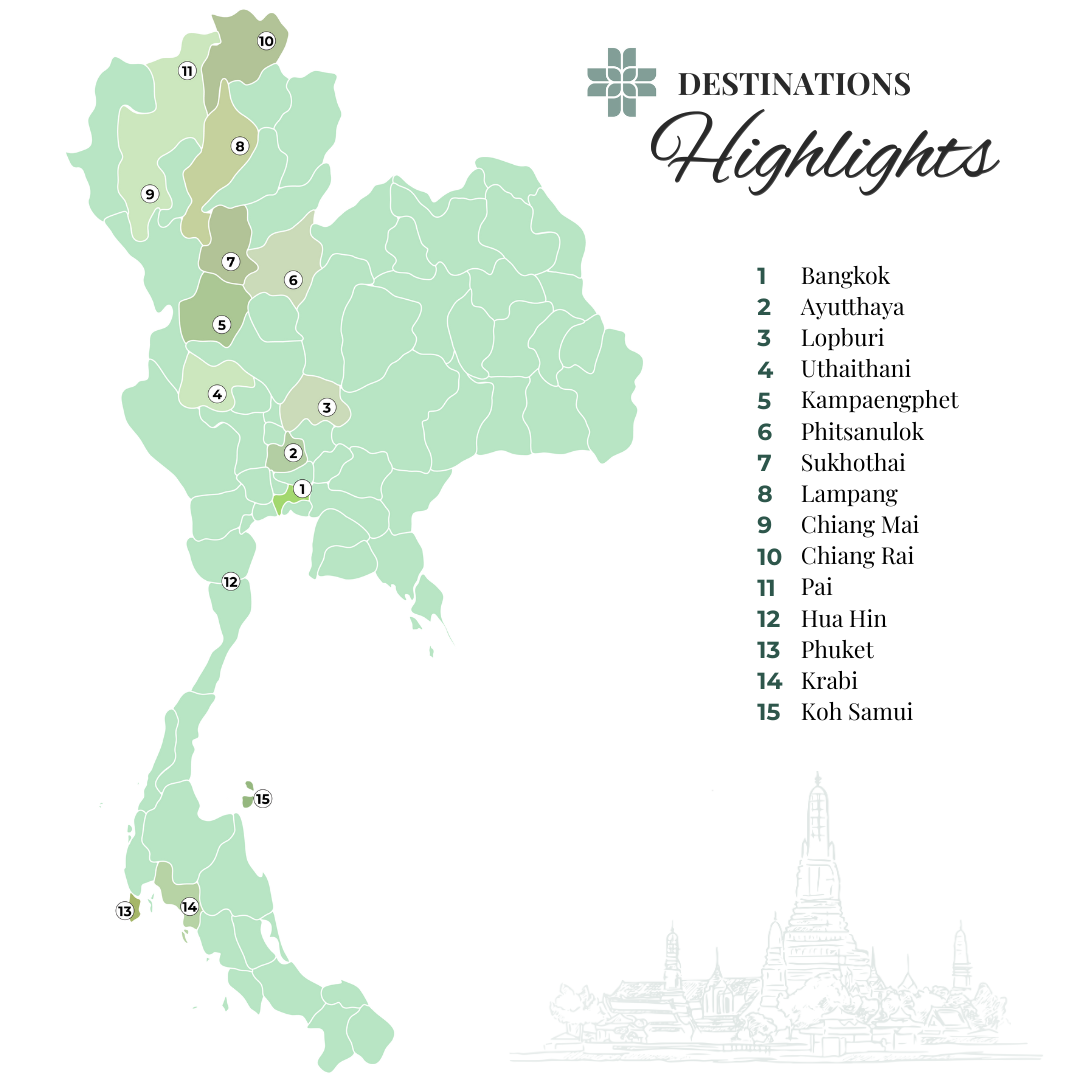
Thailand features a tropical climate with consistent warmth year-round, generally averaging between 25°C and 35°C (77-95°F). The country experiences a hot season from roughly March to May, where temperatures can exceed 40°C (104°F) in the north, particularly in the northern regions. The rainy season, influenced by the southwest monsoon from June to October, brings higher humidity and frequent, often brief but heavy, showers.
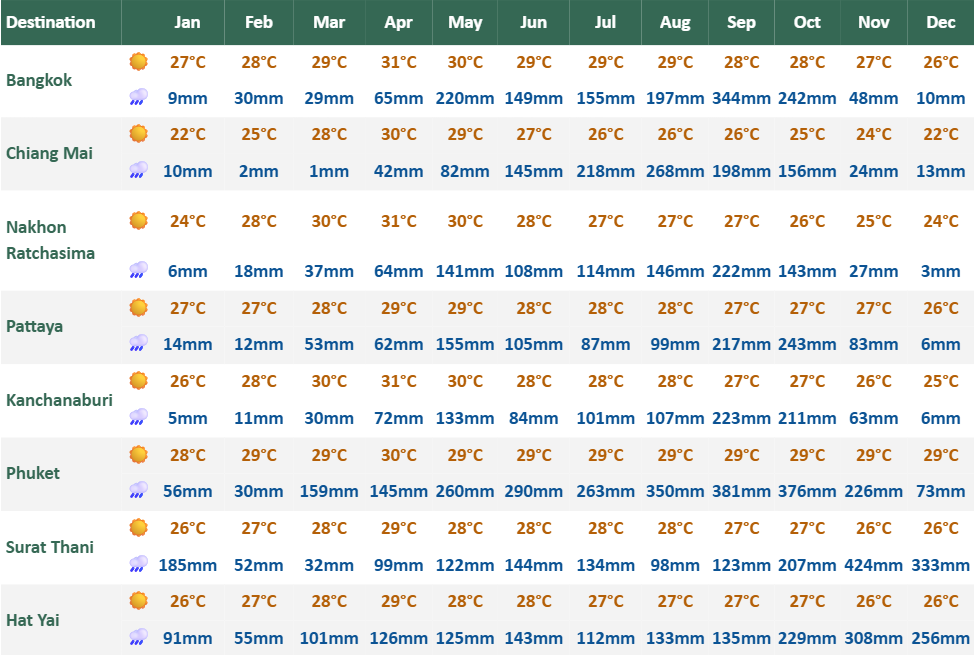
Deciding when to pack for Thailand can be nuanced, as the ideal time to visit can differ by region. For instance, while the Andaman Coast (including Phuket and Krabi) is best visited between November and April to avoid the heaviest monsoon rains, the Gulf Coast (like Koh Samui and Koh Phangan) experiences its wettest period later, often from October to December. The cool, drier season, from November to February, is generally considered the peak tourist season for much of the country, offering more comfortable temperatures and lower humidity, although northern areas can get quite cool, especially at night. Unpredictable storms can occur, potentially leading to localised flooding in various parts of the country at certain times.
Northern Thailand (Chiang Mai)
This mountainous region experiences its most pleasant temperatures during the cool season, from November to February, with daytime temperatures ranging between 20°C and 30°C (68-86°F). This period offers minimal rainfall and is ideal for exploring the cultural hubs and engaging in outdoor activities. Evenings in higher elevations can be quite cool, so packing layers is advisable.
The hot season (March to May) brings significantly higher temperatures, up to 40°C (104°F), often making outdoor exploration less comfortable.
The rainy season (June to October) sees substantial rainfall, particularly in August and September, which could affect trekking plans.
Northeastern Thailand (Nakhon Ratchasima)
The cool season, spanning November to February, offers the most comfortable temperatures and driest conditions for exploring the Khorat Plateau. During this time, temperatures are generally mild, around 23°C (73°F), making it ideal for visiting cultural and historical sites.
The hot season (March to May) is characterised by extreme heat and dryness, with daytime temperatures averagely highs of 37°C (99°F).
The rainy season (May/June to October) brings rainfall that helps to alleviate the heat, but some low-lying areas near rivers may experience flooding. The cool season is the most recommended time to visit this region.
Central Thailand (Bangkok)
Central Thailand enjoys its most agreeable weather during the cool season, from November to February, with pleasant temperatures, averaging 28°C (82°F) and lower humidity levels. This period is perfect for exploring Bangkok and the historical sites of Ayutthaya and Lopburi.
The hot season (March to May) is marked by high temperatures and humidity, which can make sightseeing less enjoyable.
The rainy season (May/June to October) brings frequent rainfall, with the heaviest downpours typically occurring in September and October, occasionally leading to localised flooding in Bangkok.
Eastern Thailand (Pattaya)
The dry season, from December to February, offers the best weather for Eastern Thailand, with pleasant temperatures between 26-28°C (79-82°F), minimal rainfall, and refreshing breezes ideal for enjoying the coast and islands. Notably, the eastern Gulf coast, including Koh Samui and Koh Phangan, tends to be drier from April to September, offering an alternative beach destination during the main rainy season elsewhere.
The hot season (March to May) is hot and humid, average temperature of around 30−32°C (86−90°F), with April and May being the hottest months.
The rainy season (late August/September to December) brings significant rainfall, with the upper eastern coast (Koh Chang, Koh Kood) experiencing a similar wet season to the Andaman coast (May to October). For a visit to the mainland and western Gulf islands of this region, December to February are ideal, while the eastern Gulf offers a wider window of drier weather.
Western Thailand (Kanchanaburi)
Western Thailand experiences its most favourable weather during the dry season, from November to March, with a comfortable temperature of 25−28°C (77−82°F) and lower humidity, making it an excellent time to explore its natural beauty and historical sites.
The hot season (March to May) can be very hot, with temperatures potentially exceeding 40°C (104°F). The rainy season (May to October) brings considerable rainfall, with September and October typically being the wettest months. The dry season is the most recommended time for travel to this region.
Southern Thailand (Phuket/Hat Yai)
Southern Thailand exhibits distinct weather patterns on its two coasts. From November to March, the Andaman Coast (Phuket, Krabi, Koh Lanta) is best visited with a pleasant temperature between 24°C and 32°C (75−90°F), which offers sunny skies and calm seas ideal for beach activities.
The hot season (March to May) is hot, temperatures peaking at 36°C (80°F), often with high humidity, making it feel hotter.
The rainy season (May to October) brings heavy rainfall, with peak rainfall from September to mid-October.
In contrast, the Gulf Coast (Koh Samui, Koh Phangan, Surat Thani) generally enjoys good weather during its dry season, from January to September, with less rain compared to the Andaman coast during its wet season. Average temperatures typically range from 22−33°C (72−91°F). The peak tourist season here is December to February.
The hot season (March to May) is hot and humid, and the rainy season (September to December) sees the heaviest rainfall, typically peaking in November. When planning a trip to Southern Thailand, consider the specific coast you intend to visit to align with the most favourable weather conditions.
1. How to book a tailor-made tour with Justravel Asia?
Justravel Asia is a ground tour operator specialized in tailor-made travel itineraries base on your interests. We don’t sell group tours, we use our 20 years of combined travel experience to pick the accommodation and activities, create cultural-rich journeys with local insight.
Feel free to drop an email request to either Han (han.pham@justravelasia.com) or Alice (tu.luu@justravelasia.com) – the Co-founders, don’t forget to give some hints about your special interests. They will get in touch with you shortly to discuss over the travel plan and then get back to you with detailed itinerary and prices. We welcome your opinions to modify the itinerary until it fits your dream trip.
2. Do you need a visa to travel to Thailand?
The Thailand Visa Exemption Scheme and Bilateral Agreement allows visitors from 93 countries to enter Thailand without applying for a visa. Depending on their nationality, visitors can remain in Thailand for up to 60 days whether they enter the Kingdom through an international airport or a listed checkpoint from a neighboring country. An extension is allowed for another 30 days.
A Thailand E-Visa will cost USD$82 (or equivalent) no matter your nationality. This payment is made through the E-Visa secure web portal when you submit the application. The fee is non-refundable.
You can apply e-visa at below official website:
3. How long should you travel to Thailand for your first time?
We recommend at least 10–12 days to truly enjoy the diversity of Thailand. Begin with the vibrant city life and temples of Bangkok, then head north to Chiang Mai or Chiang Rai for nature, culture, and crafts. Wrap up with a few days on a tropical island in the south—whether that’s Phuket, Krabi, or Koh Samui. Want to go deeper? Add Ayutthaya, Pai, or a luxury wellness retreat.
4. How much money should you bring to Thailand?
Thailand is great for all budgets. On average:
- Mid-range travel: US$100–150/day (private tours, 4-star hotels, great local dining)
- Luxury travel: US$300+/day (private guides, boutique/luxury stays, fine dining)
Street food starts at just US$1–3, and a decent local meal costs around US$5–10. We recommend using a mix of cash and credit cards—ATMs are widely available, but small shops or rural spots may be cash-only.
5. Is Thailand safe for solo travelers and female travelers?
Yes, Thailand is widely considered one of the safest countries in Asia for solo and female travelers. Thai people are known for their hospitality, and the tourism infrastructure is well-developed. As with any destination, staying aware of your surroundings, avoiding isolated areas at night, and dressing respectfully in temples will go a long way in keeping your trip smooth and safe. At Justravel Asia, we specialize in supporting solo and women travelers with care and attention to detail.
6. Is Thailand a good destination for family trip?
Absolutely! Thailand is family-friendly, fun, and full of variety. Children can enjoy hands-on experiences like elephant sanctuaries, longtail boat rides, Thai cooking classes, island snorkeling, and more. Many hotels and resorts offer family suites or kids’ clubs, and the cuisine is flavorful but mild enough for little tastebuds. Whether you want beach fun, culture, or outdoor adventures, Thailand delivers.
Visa requirements:
- From July 15 2024, the Visa Exemption scheme permits 93 countries and territories to enter and stay in Thailand for tourism and short-term business engagements for a period not exceeding 60 days. This initial 60-day period can even be extended for an additional period not exceeding 30 days at the discretion of the immigration officer.
- Immigration officers can ask for Proof of sufficient funds to cover the duration of the stay, but it’s not always requested. Generally considered to be 20,000 Thai Baht (THB) per person or 40,000 THB per family.
- From May 01 2025, the Thailand Digital Arrival Card (TDAC) will become mandatory, and must be completed electronically within three days before your scheduled arrival in Thailand. The essential information includes your passport details, flight information (arrival date and flight number), and the accommodation address in Thailand.
Thailand Visa on Arrival (VOA):
Thailand offers a Visa on Arrival (VOA) for tourism purposes for 31 countries. This visa permits a stay of up to 15 days. Travellers need to present:
- A valid passport
- Proof of onward or return travel arrangements
- Pay a visa fee of 2,000 THB (60 USD). It is important to note that this fee must be paid in cash and Thai Baht upon arrival at the immigration checkpoint.
To potentially expedite the process upon arrival, an online application for the Visa on Arrival is also available.
Thailand E-Visa:
Travelers planning to stay in Thailand for a more extended period can consider the 60-day Tourist Visa. There are two types of this visa: the Single-Entry Tourist Visa, which allows a stay of up to 60 days, and the Multiple-Entry Tourist Visa, which is valid for six months but limits each stay to a maximum of 60 days.
This visa can be applied for online through the official Thailand e-visa system: www.thaievisa.go.th or by visiting a Royal Thai Embassy or Consulate in your home country.
Travel documents:
- Bring a money belt to safely carry your travel documents and cash, and ensure that your luggage has a lock. Bring photocopies of your passport and visa, plus some extra passport-sized photos if you’re applying for an on-arrival visa (just in case).
- When flying into or within Thailand, you will probably be given baggage claim tags (they might be stuck to the back of your ticket). Keep these, as you will need to show them when leaving the airport.
Insurance:
Travelers are highly recommended to purchase trip and travel insurance. Trip insurance covers the cost of your trip should you be forced to cancel your trip before you start the trip. Travel insurance covers such costs as emergency and medical evacuation, hospital fees, property loss, etc. which could happen during the trip.
If you would like Justravel Asia to have a copy of your travel information in case of emergency, please forward these details to your agent who will in turn forward them to our office.
Health:
Please consult your doctor to discuss your particular health or immunization requirements. If you would like to have a source of further information, please refer to the Center for Disease Control (CDC) website at www.cdc.gov
Money:
- Thailand’s currency is the Thai Baht (THB). The best place to change your money is in your hotel. Many banks (open Monday to Friday) issue cash advances for Visa and MasterCard, usually for a 3% commission. And withdrawing cash from ATMs using an international card typically incurs a fee, often around 220 Baht per transaction.
- Credit and debit cards are commonly accepted in cities and popular destinations. However, it is always wise to have some cash on hand, as smaller shops, local eateries, and vendors may only accept cash payments.
- The exchange rate is around THB 33 to the US Dollar (check www.xe.com for the latest exchange rate).
Mobile Phone:
- Local prepaid SIM cards and ‘Top up’ credit vouchers are readily available at major international airports upon arrival, mobile network stores, and convenience stores.
- It is important to remember that Thai law requires tourists to register their SIM cards, so you will need to present your passport as identification when making your purchase.
- Another option is using an eSIM, with online data plan purchase from various providers, such as Airalo, Holafly, Saily, Nomad, Trip.com, and Thailandesim.com, before you even arrive in Thailand.
Internet:
Wireless (Wi-Fi) Internet access is available in most hotels throughout Thailand and free wifi is available in many restaurants, cafes and bars. Be careful to not save your password or sensitive information on public computer terminals.
Electricity:
Thailand uses 220V or 230V at 50Hz with several plug types (two flat/round pins, three round pins). A universal adapter is recommended. Most modern devices are dual voltage (100V-240V) and only need a plug adapter. Single-voltage 110V appliances require a voltage converter.
Clothing:
- Pack light, breathable clothing (cotton, linen, quick-dry) like shorts, t-shirts, dresses, and lightweight pants for Thailand’s hot and humid climate. Include modest attire covering shoulders and knees for temples (scarf/shawl helpful). Comfortable walking shoes/sandals are essential, plus flip-flops for casual settings. Pack swimwear for beaches/pools, but avoid wearing it elsewhere. Sun protection (hat, sunglasses, high-SPF sunscreen) is crucial.
- Consider the season: lightest, breathable fabrics for the Hot Season (Mar-May); quick-drying clothes and rain gear for the Rainy Season (Jun-Oct); and light layers for the cooler evenings of the Cool Season (Nov-Feb).
Tipping
While not compulsory, tipping is greatly appreciated throughout Southeast Asia, especially in the service industry, when you are pleased with the services provided. For reference, we have provided a general guideline below:
- Guide & Driver (1-2 pax): US$12 – US$15/ pax/ day
- Guide & Driver (3-10 pax): US$7 – US$10/ pax/ day
- Guides & Driver (11 pax up): US$5 – US$7/ pax/ day
- Restaurants: 10–15% of the total bill
- Hotel Maid Service: $2–$3 per day
- Porters: $2–$3 at time of service
- Local Boat Transport: $5–$10 per boat
- Overnight Cruise: $5–$10 per night per pax (to cover all crew)
Water & Medical Facilities
- It is advisable not to drink water from the tap unless it is boiled properly.
- Medical care standards in Thailand differ significantly. While major cities like Bangkok, Chiang Mai, and Phuket offer international-standard medical facilities, public and rural hospitals generally have lower standards. Consequently, even minor injuries in these areas might necessitate medical evacuation to a larger centre.
- For tourists needing medical attention, international clinics located in major cities are the best choice. Contact your hotel or local guide for information and recommendations for clinics catering to Western visitors.